
Yes — witch hazel does expire, though it goes slower and more gracefully than most things in your cabinet. A sealed bottle typically keeps its best self for around two years; opened, count on six months to a year of full strength, a little longer for alcohol-heavy drugstore versions and a little shorter for the gentler alcohol-free kind. Here’s how to read your bottle, store it well, and know when it’s time to let it go.
The Short Answer, By Bottle Type
- Unopened, any type: roughly 2 years at full quality (check the bottle’s own date — trust the maker’s chemistry over any rule of thumb).
- Opened, alcohol-based drugstore witch hazel: about 1–2 years — the alcohol preserves it, at the cost of gentleness.
- Opened, alcohol-free witch hazel: about 6–12 months. Fewer preservatives, kinder on skin, shorter prime.
- Witch hazel blended into toners: follow that product’s period-after-opening mark — the little open-jar symbol with a number like “12M.”
The old herbalists’ respect for this plant ran deep: “Witch-hazel is tonic and astringent,” wrote King’s American Dispensatory in 1898 — a distilled extract so trusted it sat in nearly every American medicine chest for a century. Some heirlooms earn their shelf space.
How to Tell Your Witch Hazel Has Gone Bad
Witch hazel rarely spoils dramatically — it fades. Watch for:
- A changed smell — sour, musty, or simply off compared to the clean, faintly woody scent it had new.
- Cloudiness or floaters in a bottle that poured clear.
- Color shifts — deepening yellow or brown in a once-clear liquid.
- Lost effect — if it no longer refreshes or tones the way it did, the actives have quietly bowed out.
Any of those signs, and the kindest thing is a respectful goodbye. Skin deserves fresh allies.
Storage: How to Slow the Clock
- Cool and dark — a cabinet, not a sunny sill. Light and heat are what age botanicals fastest.
- Cap tight, always — air trades freshness for nothing.
- Keep it out of the shower steam — humidity and heat cycles wear any botanical down.
- Clean hands, clean cotton — pour onto the pad; don’t dip into the bottle.
Why Our Toner Ages on Its Own Terms
Our FrankinRose Witch Hazel Toner is pure witch hazel married to frankincense and rose essential oils — a short, honest ingredient list, which means its life depends on good storage rather than a wall of preservatives. Treat her to the cool-dark-capped routine above and she’ll stay lovely through many months of daily ritual. (A bottle in steady use rarely lives long enough to worry.)
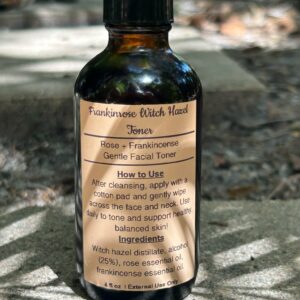
Fresh Bottle, Fresh Ritual
Witch hazel, frankincense & rose — toning the old way, made in small batches that never sit around.
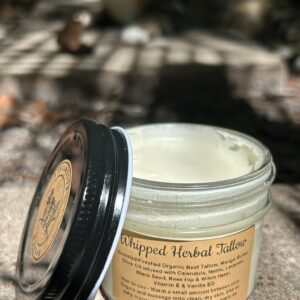
After toning, seal the freshness in — witch hazel is actually one of the six herbs we infuse into our Herbal Whipped Beef Tallow, so the pair were made for each other:
Frequently Asked Questions
Can I use expired witch hazel?
If it looks and smells clean, slightly-past witch hazel is more faded than dangerous — but its toning gifts have dimmed, and on your face, faded isn’t worth it. If it smells or looks off, toss it without ceremony.
Does witch hazel need to be refrigerated?
No — a cool, dark cabinet is enough. That said, chilled witch hazel on a summer morning is a lovely ritual in its own right, and the fridge does no harm.
Why does alcohol-free witch hazel expire faster?
Alcohol is a preservative — remove it and the bottle relies on gentler stabilizers and your storage habits. Six to twelve months open is the fair expectation, and your skin gets the kinder formula in trade.
How long does witch hazel toner last after opening?
Follow the period-after-opening symbol on the label — most witch hazel toners sit in the 6–12 month range. Stored cool, capped, and away from steam, they’ll use every month of it well.
Sources & Further Reading
- King’s American Dispensatory (1898): Hamamelis — Witch-Hazel — the historical entry quoted above.
- MedlinePlus: Herbal Medicine — storage and safety guidance for botanical preparations.
From the Apothecary
These statements are shared in the spirit of traditional wisdom and have not been evaluated by the Food & Drug Administration. Our products are not intended to diagnose, treat, cure, or prevent any disease. Consult your care provider before use if pregnant, nursing, or taking medications.